Understanding brewer's yeast
Brewer's yeast is a natural fermentation ingredient.
It comes from the yeast cultures used in brewing: tiny cells of the genus Saccharomyces that ferment sugars and can then be harvested, gently dried and processed into nutrient-rich brewer's yeast powder.
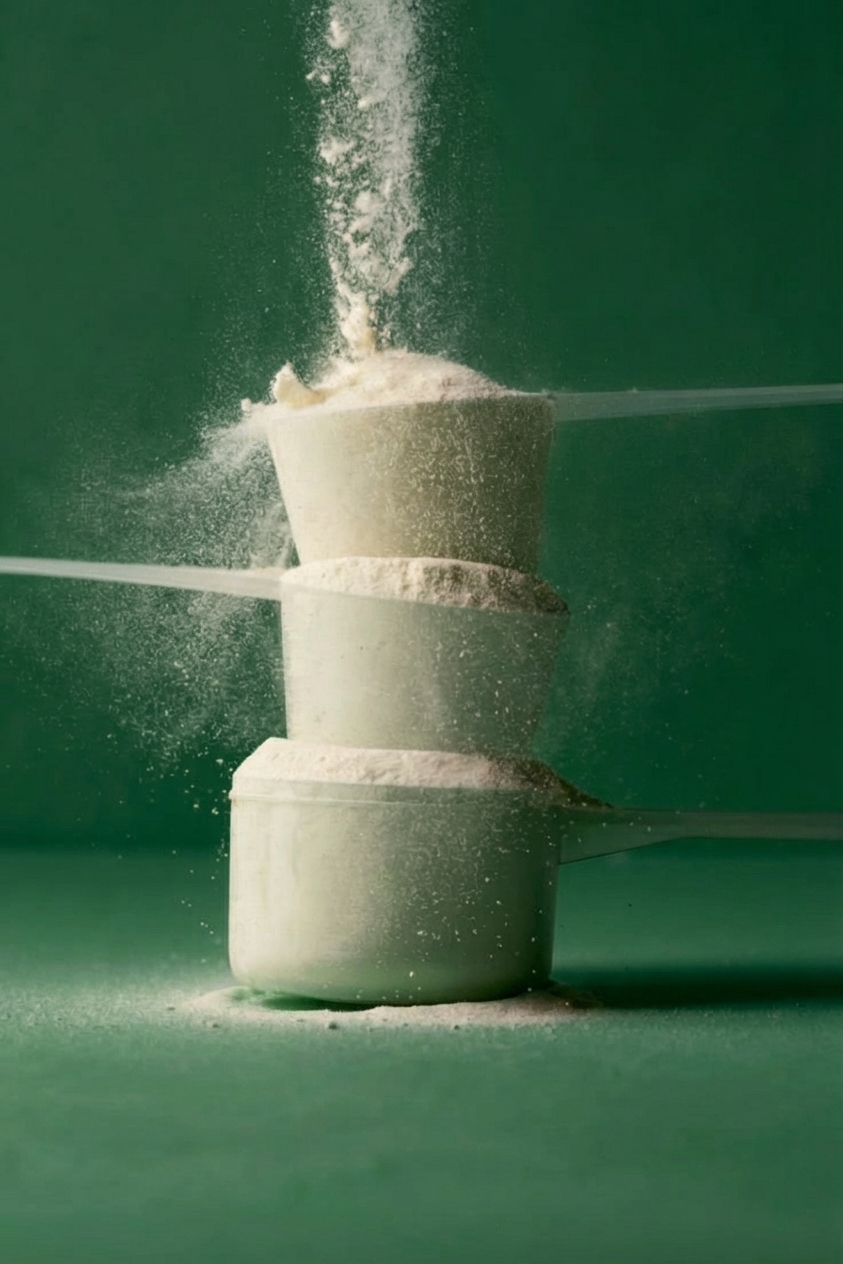
Natural powder made from gently dried brewer's yeast
The origin
Not a trend ingredient, but a proven raw material.
Brewer's yeast is the yeast used during beer production to drive fermentation. It converts fermentable sugars into alcohol, carbon dioxide and aromatic compounds. After fermentation, the yeast can be separated, prepared and dried. For powders, tablets or capsules it is usually inactivated: it no longer ferments, but still provides its natural cellular matrix.
This matrix is what makes brewer's yeast so interesting. It brings together protein, naturally occurring B vitamins, minerals and yeast cell-wall components such as beta-glucans and mannans in one ingredient. That is why it is used in foods, supplements, cosmetics, pet nutrition and B2B formulations.
01
Fermentation-based
Brewer's yeast is created through a biological process, not by synthetically combining individual nutrients.
02
Nutrient-dense
Depending on the yeast strain and processing, dried brewer's yeast can provide a high protein content and a broad micronutrient profile.
Production
From brewing process to fine powder.
Yeast works during fermentation
In brewing, yeast ferments the sugars in the wort. Different beer styles use different yeast strains and fermentation temperatures.
Harvesting and cleaning
After fermentation, the yeast is separated from the liquid. For high-quality KLATT brewer's yeast, it is analysed and then prepared under controlled conditions to create a clean, consistent raw material.
Gentle drying
Careful preparation and drying make brewer's yeast stable and easy to dose. The result is KLATT brewer's yeast powder with a mild, malty-savoury note.
Powder, tablets or capsules
The powder can be used directly or processed further. Depending on the application, the focus may be the natural composition, formulation performance or simple dosing. KLATT offers different forms of brewer's yeast for a wide range of uses.
Inner values
What brewer's yeast contains.
The exact composition always depends on the yeast strain, raw material and processing method. KLATT offers different types of brewer's yeast powder, allowing nutrient priorities to be adapted to specific requirements. In general, brewer's yeast contains a combination of the following components:
Protein
Amino acids from the yeast cell
Depending on quality and specification, dried brewer's yeast can reach a high protein content and is well suited to protein-focused formulations.
B vitamins
Naturally occurring profile
Typical B vitamins include B1, B2, B3, B5, B6, biotin and folate. Vitamin B12 is not reliably present in brewer's yeast unless it has been specifically enriched.
Minerals
Trace elements and minerals
Depending on the analysis, brewer's yeast can contribute minerals and trace elements such as zinc, iron, magnesium, selenium or chromium.
Cell wall
Beta-glucans and mannans
These carbohydrate structures are found in the yeast cell wall and contribute to the fibre-like character of brewer's yeast.
Natural by design
Why brewer's yeast fits modern formulations so well.
Brewer's yeast is not an isolated single active ingredient. It is a whole, fermentation-based raw material: grown, harvested, dried and finely milled, making it well suited to clean-label formulations. The components of the yeast cell remain embedded in their natural matrix.
This makes it especially interesting for products that should feel less artificial: natural supplements, plant-based protein products, savoury foods, cosmetic fermentation concepts or high-quality pet nutrition.
Good to know
Brewer's yeast is not the same as active baker's yeast. As a dried, usually inactivated yeast, it does not raise dough or start a new fermentation in the finished product. Its strength lies in its composition, taste and formulation potential.
Applications
Versatile from food to feed.
Food supplements
For tablets, capsules or powders with natural positioning and a naturally occurring B-vitamin profile.
Protein and food concepts
As a functional ingredient for shakes, smoothies, sauces, snacks or savoury formulations with a nutritional focus.
Cosmetics
As a fermentation-based ingredient for modern hair, skin and nail care concepts.
Pet food and aquafeed
As a protein- and micronutrient-rich raw material for high-quality feed and snack formulations.
Frequently asked questions
What to know before using brewer's yeast.
Does brewer's yeast contain alcohol?
No. Brewer's yeast is the yeast from the brewing process, not the beer itself. As a dried raw material, it is not an alcoholic product.
Is brewer's yeast vegan?
Yeast is a microorganism from the fungi kingdom and is not an animal-derived raw material. For vegan products, all processing aids and formulation components should still be reviewed.
Does brewer's yeast contain gluten?
Beer is often made from gluten-containing grains. Whether a brewer's yeast ingredient can be declared gluten-free must be checked analytically and legally.
What does brewer's yeast taste like?
It typically has a mild malty, slightly savoury note. In formulations, it can support both the nutrient profile and an umami character.